

Independencia segura y altos ingresos en la carretera.

Si alguna vez has contemplado el horizonte abierto de una carretera estadounidense y has pensado en convertir esa vista en tu oficina, nunca ha habido un mejor momento para empezar.
En 2026, la economía estadounidense depende más que nunca de los conductores. Desde los enormes camiones de gran tonelaje que transportan bienes esenciales a través de las fronteras estatales hasta las furgonetas de reparto locales que llevan la compra a la puerta de casa en los suburbios, el conductor es el motor del comercio estadounidense.
Tanto si buscas un cambio de carrera bien remunerado, un trabajo secundario flexible o tu primer empleo, esta guía te orientará por el panorama laboral del sector del transporte en Estados Unidos.
Cómo elegir tu camino: Puestos que requieren licencia de conducir comercial (CDL) frente a puestos que no la requieren
Antes de presentar tu solicitud, debes saber qué "carril" se ajusta mejor a tu estilo de vida. En el mercado estadounidense, los trabajos de conductor se dividen principalmente en dos mundos: Licencia comercial (CDL) y Sin fines comerciales.
Ruta profesional (se requiere licencia de conducir comercial)
Si quieres ganar mucho dinero, probablemente necesitarás un Licencia de Conducir Comercial (CDL).
- Transporte de carga por carretera (OTR): Este es el estilo de vida clásico de los camioneros de larga distancia. Conducirás a través de varios estados, a menudo viviendo en tu camión durante semanas seguidas. Ofrece el salario inicial más alto, pero exige los mayores sacrificios.
- Regional y local: Te mantienes dentro de un radio específico (por ejemplo, el noreste). Los conductores locales suelen estar en casa todas las noches, lo que lo convierte en una opción ideal para quienes tienen familia.
- Transporte especializado: Conducir camiones cisterna (para líquidos), camiones para materiales peligrosos o camiones de carga sobredimensionada requiere permisos adicionales en la licencia, pero ofrece una remuneración significativamente mayor.
Ruta flexible (sin necesidad de licencia de conducir comercial / economía colaborativa)
¿No quieres conducir un vehículo de 40 toneladas? No hay problema.
- Entrega de última milla: Piensa en los conductores temporales de Amazon Flex, FedEx Ground o UPS. Conduces furgonetas de carga o vehículos particulares para entregar paquetes.
- Servicios de transporte compartido y chófer: Uber y Lyft siguen siendo pilares de la economía colaborativa estadounidense, ofreciendo un control total sobre tu horario.
- Transporte médico: Un nicho de mercado en auge en 2026 consiste en el transporte de pacientes a sus citas en vehículos no urgentes.
Muéstrame el dinero: Expectativas salariales
El dinero es la principal motivación para la mayoría de los conductores, y en 2026, los salarios se mantuvieron competitivos debido a la continua escasez de conductores.
| Categoría de empleo | Salario anual promedio | Rango horario |
| Conductor de camión de larga distancia (Clase A) | $65.000 – $85.000+ | $28 – $40 |
| Conductor regional/local | $55.000 – $70.000 | $24 – $32 |
| Conductor de furgoneta de reparto | $42.000 – $52.000 | $19 – $25 |
| Conductor de transporte compartido/empleado eventual | Varía (bruto) | $18 – $30* |
*Nota: Los conductores de plataformas digitales deben tener en cuenta los gastos de gasolina, mantenimiento e impuestos de autónomos.
Estados con los salarios más altos: Si estás dispuesto a mudarte, estados como Pensilvania, Illinois, Texas y Washington Actualmente ofrecen las escalas salariales más altas y los bonos de contratación más agresivos (a veces oscilan entre $5,000 y $15,000 solo por unirse).
Lo que necesitas para ponerte al volante.
El Departamento de Transporte de los Estados Unidos (DOT) se toma muy en serio la seguridad. Aquí tienes una lista de verificación para empezar:
Asuntos legales y documentación
- Requisitos de edad: Puedes obtener una licencia de conducir comercial (CDL) a los 18 años, pero la ley federal exige que tengas... 21 años conducir a través de las fronteras estatales (interestatal).
- Seguridad Social y Autoridad Laboral: Debes tener un número de seguro social (SSN) válido y estar autorizado para trabajar en los Estados Unidos.
- MVR (Historial de Vehículos Motorizados): La mayoría de las empresas revisan los antecedentes de los últimos 3 a 5 años. Un historial "limpio" significa no tener antecedentes de conducir bajo los efectos del alcohol o las drogas, cargos por conducción temeraria ni multas por exceso de velocidad.
El examen físico del DOT
Para conducir vehículos comerciales, debe pasar un examen médico realizado por un médico examinador registrado. Este revisará su presión arterial, visión y audición, y se asegurará de que no padezca afecciones (como epilepsia no controlada o apnea del sueño) que puedan representar un peligro en la carretera.
Habilidades blandas esenciales
- Conocimientos tecnológicos: En 2026, los registros en papel serán cosa del pasado. Utilizarás Dispositivos de registro electrónico (ELD) y aplicaciones de GPS a diario.
- Gestión del tiempo: “El tiempo corre.” Hay que encontrar el equilibrio entre la seguridad y los plazos de entrega estrictos.
- Paciencia: Lidiar con el tráfico estadounidense, especialmente en centros urbanos como Atlanta o Los Ángeles, requiere mantener la calma.
Las mejores empresas para trabajar en Estados Unidos
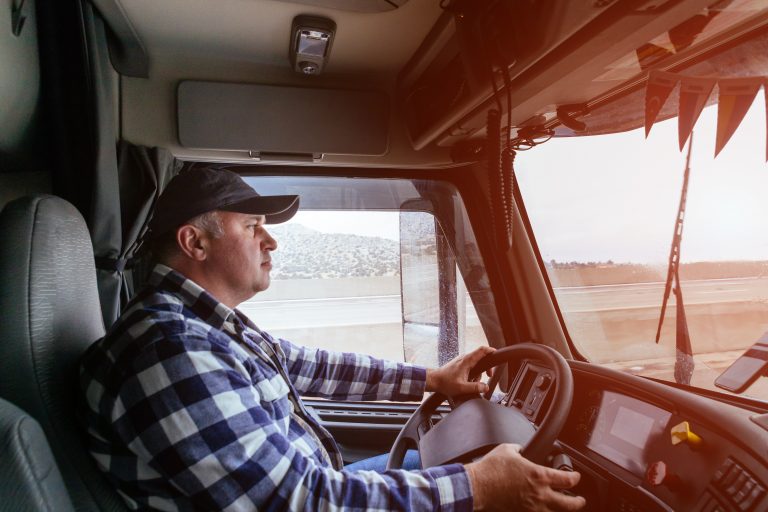
El lugar donde trabajas importa tanto como el coche que conduces. Estos son los principales candidatos para 2026:
Para principiantes (capacitación remunerada para obtener la licencia de conducir comercial)
- Roehl Transport & Prime Inc.: Estas empresas son famosas por sus programas de "Licencia de Conducir Comercial Pagada". Te pagan por obtener tu licencia, siempre y cuando te comprometas a conducir para ellas durante un período determinado (generalmente un año).
- Transporte rápido: La flota más grande de Estados Unidos, que ofrece una enorme variedad de rutas para quienes se inician en el mundo de los vuelos.
Para profesionales con experiencia
- Línea de carga Old Dominion: Constantemente se la clasifica como una de las mejores en cuanto a salario y cultura laboral. Tienen una tasa de rotación de personal muy baja.
- Flota de Walmart: Conocida como la referencia en flotas privadas. Sus conductores se encuentran entre los mejor pagados del país y disfrutan de excelentes beneficios.
Para el “Gig” y el Entusiasta Local
- Amazon Flex: Ideal para quienes desean usar su propio SUV o furgoneta para ganar dinero rápido.
- UNIÓN POSTAL UNIVERSAL: Si bien el trabajo es físicamente exigente, los conductores de UPS están sindicalizados (Teamsters) y cuentan con algunos de los mejores planes de pensiones y atención médica del sector.
Cómo solicitar el puesto y conseguirlo
El proceso de solicitud en Estados Unidos se ha simplificado enormemente. Sigue estos pasos para destacar:
- Utilice portales de empleo especializados: Si bien LinkedIn es genial, los conductores deberían mirar De hecho, Tenstreet y TruckerPathMuchas empresas utilizan aplicaciones de “un clic” a través de estas aplicaciones.
- Resalte su historial de seguridad: En tu currículum, no te limites a decir "Conducía un camión". Di "Mantuve un historial impecable, sin accidentes, durante más de 100 000 millas".
- Prepárese para la prueba de drogas: Estados Unidos cuenta con un sistema de control de drogas y alcohol. Un solo resultado positivo puede quedar registrado en tu expediente durante años e impedirte conseguir trabajo en cualquier lugar del país.
- Pregunte sobre el equipo: Durante la entrevista, pregunte sobre la antigüedad de su flota. Conducir un camión modelo 2025/2026 con aire acondicionado moderno y sensores de seguridad es mucho mejor que lidiar con un vehículo viejo y averiado.
¿Sigue siendo conducir una buena opción profesional?
Es posible que escuches rumores sobre la llegada de los "camiones autónomos". La realidad en 2026 es la opuesta. Si bien la tecnología de "asistencia al conductor" ha hecho que los camiones sean más seguros (frenado automático, centrado de carril), la necesidad de un conductor humano para circular por las calles de la ciudad, gestionar la carga y realizar las inspecciones es mayor que nunca.
Además, la industria está cambiando hacia sostenibilidadMuchas flotas de reparto locales ahora son eléctricas (100%). Esto significa cabinas más silenciosas y menos vibraciones, lo que reduce significativamente la fatiga del conductor.
Consejos profesionales para una carrera profesional duradera
- Proteja su salud: Conducir es un trabajo sedentario. Los conductores más exitosos en 2026 serán aquellos que prioricen la preparación de comidas (evitando la comida rápida) y den paseos cortos durante sus descansos obligatorios.
- Entienda “HOS”: Aprende el Horario de servicio Cumplir con todas las normas. Saber exactamente cuándo parar y cuándo reanudar la marcha le evitará multas cuantiosas.
- Red: Únete a comunidades de conductores en Reddit o Facebook. A menudo, los mejores trabajos bien remunerados, aunque no sean los más conocidos, no se publican en estos foros, sino que se cubren mediante recomendaciones.
Arranca el motor
Un trabajo de conductor en Estados Unidos ofrece una combinación única de independencia, un alto potencial de ingresos y la satisfacción de contribuir al buen funcionamiento del país. Ya sea que conduzcas una furgoneta de reparto por Manhattan o un camión semirremolque por la Interestatal 10, tu trabajo es esencial.
¿Estás listo para tomar el volante? Empieza por mejorar tu historial de conducción, decide entre obtener una licencia de conducir comercial (CDL) o trabajar en una empresa local, y solicita empleo en una de las flotas que aceptan conductores principiantes, mencionadas anteriormente. La carretera te llama, ¿responderás?
¿Quieres explorar más opciones? ¡Consulta la publicación a continuación!

Oportunidades laborales en Coca-Cola Company
¿Listo para darle un nuevo rumbo a tu carrera? Explora la guía de Coca-Cola, las oportunidades para socios embotelladores y el camino hacia la estabilidad laboral y financiera a largo plazo.


